



Are Braids Good for Your Hair?

Yes, braids are generally good for your hair. However, how you install your braids, take them down, and your natural hair texture determine whether or not a braided hairstyle is good for your hair.
I believe braids are one of the most versatile hairstyles, and one of the best hairstyles for great length retention. I wore only braids for 1 year straight, and grew 13 inches of hair. I haven’t gotten that much success with any other hairstyle.
Aside from being a great protective hairstyle, it forms the base for many hairstyles. Think about your favourite hairstyles:
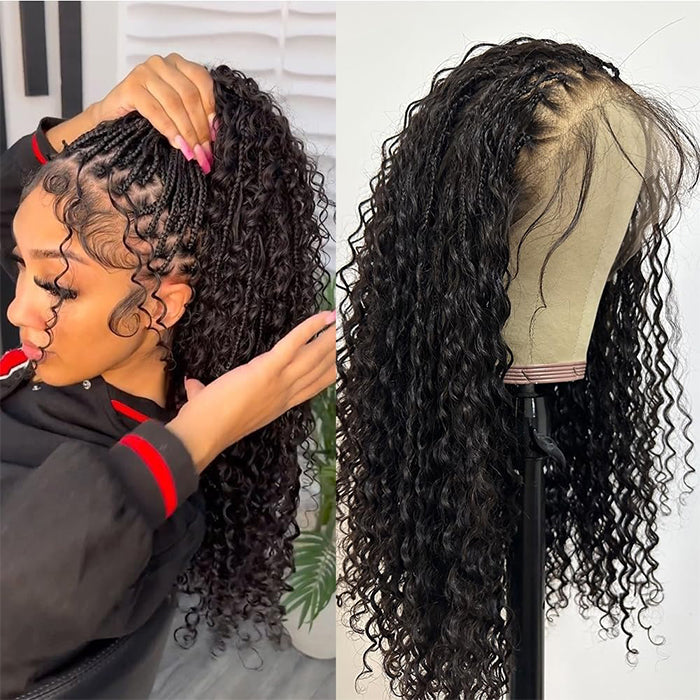
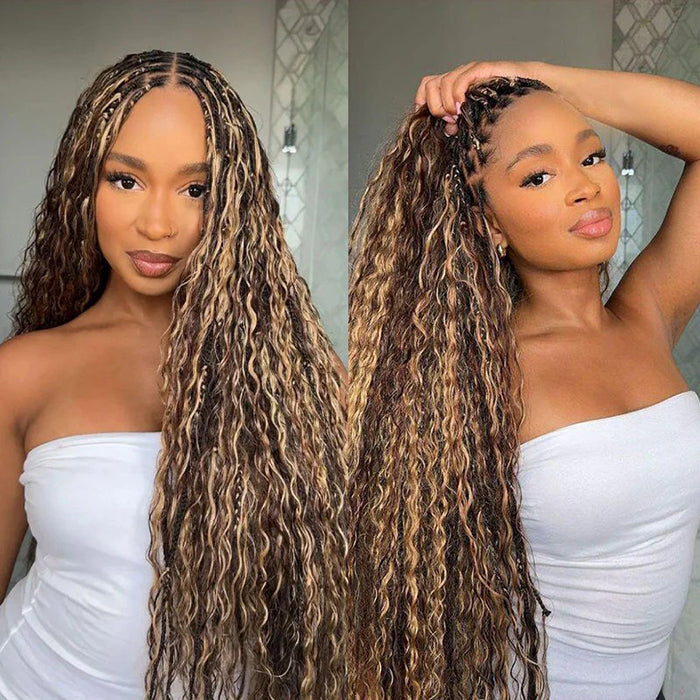
● Boho braids
● Fluffy starter locs
● S-shaped curls
Etc.
While braids have always been a way we embrace our culture, tradition, and roots, they are more than that.
I'm pretty sure that there are some braid styles that make you giggle instantly or brighten up your mood.
With so many styles to choose from, it's no wonder we use them to express ourselves and complement our overall look.
But braids also protect natural hair. They can act as a shield that keeps your natural hair safe from the elements. So, in this post, we'll see why braids are good for your hair and whether they can cause damage.
How Are Braids Good for Your Hair?

There are a number of reasons that make braids good for natural hair. Some of them include:
1. Low Maintenance
One of the strong advantages of braids is that they are low-maintenance. Once they are installed, you can rock them for weeks and months, requiring just a little effort to keep them fresh.
Plus, you won't need to spend long hours styling your hair. This makes them the perfect choice for those who do not want to style their hair continuously every day.
2. Less Manipulation
Braids save you from manipulating your hair constantly. There will be no need to comb, brush, and style your hair every day. This means it will keep your hair hidden, protecting it from the elements and preventing excess manipulation that can cause breakage.
3. Protection
We can't talk about how good braids are for the hair without mentioning how fantastic they protect our strands. They cover your hair from the harsh weather, tucking the ends, which are the oldest and most fragile part of the hair.
4. Prevents Friction
Braids can lower friction against clothes, bedsheets, and even styling tools. While this doesn't eliminate it, it stops it from rubbing wildly against your natural hair. It also becomes less likely to experience tangles and knots when you go to bed.
5. Less Breakage
Braids can promote growth and prevent breakage. They help your hair retain its length over time, making it healthier and longer. While they do not speed up how fast the hair grows, they stop the breakage.
6. Retains Moisture
Braids keep your strands hidden, allowing your hair to retain its moisture. Since they trap the existing moisture in your hair and protect it from the sun, dry air, and wind, your natural hair stays hydrated.
Can Braids Damage Your Hair?
Although we know now that they can be a protective hairstyle with lots of benefits, they can also lead to traction alopecia, scalp inflammation, breakage, and damage if they aren't installed and maintained properly. As much as I'd love to say no, braids can actually cause damage to natural hair.

Here are a few ways they can affect the hair:
- Braids installed too tightly
Braiding too tightly can lead to hair loss and traction alopecia. They can pull on your hair from its roots, putting stress on your scalp and hair follicles.
- Creating small sections for a large amount of hair extensions
Braiding small sections of hair with large hair extensions can cause too much tension because they pull tightly on the scalp. This can lead to soreness, discomfort, and hair damage.
- Leaving the braids in for too long
Leaving braids in for too long causes severe matting and product buildup. Without proper access to cleanse your hair, it becomes really dry, leading to breakage by the time you unravel them.
- Using heavy extensions for braids
Using heavy extensions for braids places excessive stress on your scalp and hair follicles, leading to hair thinning, breakage, and even hair loss. This happens when your hair needs to continually carry the weight of heavy braids and hair extensions.
- Poor take-down process
Not using the right tools and products while taking down your braids can lead to damage (especially when the hair is matted). While braids can help you achieve your length retention goals, the takedown process can take you 100 steps backwards.
Using haircare products with great slip (like deep conditioners or natural products like flaxseed gel) can help dissolve build-ups, which makes the take-down process easy and minimizes breakage.
Taking down your braids requires loads of patience. Make sure you're doing this on a day you feel relaxed and energetic.
A few other mistakes that can lead to hair damage and other issues are little to no maintenance and improper takedown.
Does Your Hair Type or Choice Of Hair Extensions Matter?
Yes, your natural hair type and hair extension choice matter. They largely determine whether or not you will experience damage after installing your braids.

I've had many people ask me if installation and maintenance are all that matters when it comes to preventing hair damage after braiding your hair.
However, not only are we supposed to pay attention to how we install and care for our hair, but it's also important to choose styles that are suitable for our hair type and use the right hair extensions. So, they matter significantly.
Not every hair type can support the heavy weight of hair extensions. Some hair types, like fine and low-density hair, will struggle to carry the heavy weight, which can lead to breakage and traction alopecia, especially if the braids are tight.
On the other hand, dense, thick, and high-density hair will handle the weight better. But this isn't a recommendation to go for heavy hair extensions and tight braids, since our strands remain vulnerable.

Your hair extension choice could also make the difference. While synthetic and human hair options are absolutely fantastic for braid styles, the difference comes in how long you want to rock your style, the length of your hair, how the extensions act afterwards, and if you have a sensitive scalp.
I wouldn't advise using synthetic hair extensions if you have a tender scalp. This is because synthetic fibers are usually coated with alkaline or plastic treatments. These chemicals can irritate the scalp or lead to hair breakage and dryness. They allow sweat and products to build up quickly in the hair, causing fungal growth and itching.
A better option would be to use human braiding hair because it lacks harsh chemical coatings and allows the scalp to breathe freely. Plus, human hair behaves just like natural hair and gives you a realistic style.
However, the ball is in your court. Many may prefer to use synthetic hair for longer braid styles since it has less density. For others, human hair options are their best choice. Remember to consider your hair type, your style, and scalp sensitivity before choosing the hair extensions to use.
How Long Should You Keep Braids In?
Ideally, you can keep your braids for up to eight weeks.

While the number of weeks your braids can last depends on the style you choose, it shouldn't exceed the maximum limit to avoid damaging your hair. In fact, I would encourage you to unravel them between the sixth and eighth week. Going past this timeframe causes matting, breakage, and traction alopecia.
Here are a few signs that will indicate it's time to unravel your braids:
1. Buildup: If you see white flakes or products in your hair, especially at the root, it is usually a sign to remove the braids.
2. Itching: An itchy scalp indicates something is wrong. It's best to loosen the braids and wash your hair for relief.
3. Matting: If you notice that your new hair growth starts to lock or tangle near the roots, it's a sign that the braids are old.
4. Frizzy: Do your braids look untidy and loose? Get your tool and loosen them immediately.
How to Keep Your Hair Healthy While Wearing Braids?
Proper care is the secret to keeping your natural hair and braids in good condition. So, take maintenance seriously. Check out a few ways to maintain your braids and prevent damage.
1. Hydrate your scalp and hair
Since braids can dry the scalp very quickly, it is very important to look out for your hair and scalp while you have braids on. A dry scalp can cause itching, which can lead to hair damage as time goes on.
So, get a good oil or serum to nourish your hair. You can apply it directly to the parts of the braids every two to three days, depending on how dry your hair gets.
2. Take care of your hair at night
Using a satin or silk bonnet to bed helps protect your hair at night. You can avoid friction and frizz by covering and wrapping your braids properly. This also helps to reduce dryness and retain moisture in your hair.
But if you don't want to cover your hair at night, you can get a silk or satin pillowcase. These materials can keep your style looking fresh for a long period.
3. Cleanse your scalp
It is essential to cleanse the scalp even while you have your braids on. Washing doesn't have to be done daily or weekly. It's okay to wash after 10 days or bi-weekly.
While you might be worried about ruining them when you wash, you can use a spray bottle or containers with nozzles to apply the shampoo mixture directly to your roots. Let this flow down the braids, then rinse gently. You can also put the braids into a few sections before rinsing off the shampoo since it takes a while for braids to dry.
4. Look out for signs that your braids might be too tight
You can check for small white bumps along your hairline. This usually shows if your hair follicles are inflamed. There might also be sores, redness, and stretched or raised skin.
A good braid style should not stress your scalp. So, if it places tension on your scalp and doesn’t feel comfortable, then it's not the best braid look for you.
Conclusion
Without a doubt, braids are definitely good for natural hair. Whether you choose box braids, cornrows, or Fulani braids, the most important thing is to install and care for them properly. With the right care, you'll be surprised by how much your hair can grow and flourish.












Leave a comment