



Curly vs Coily vs Kinky Hair, What's the Difference?

Have you ever wondered what the actual difference is between curly, coily, and kinky hair?
I've had many people message me or even friends walk up to me to differentiate between them. While some think they are the same and the names can be used interchangeably, some are so confused that they don't even bother trying to differentiate them anymore.
But these hairstyles, though very similar, are also very different. They have their own characteristics and unique qualities. And understanding them won't just help you identify them, but also help you choose and make better choices when caring for them.
So, in this post, let's see each of these hair types, their features, and differences.
What is Curly Hair?

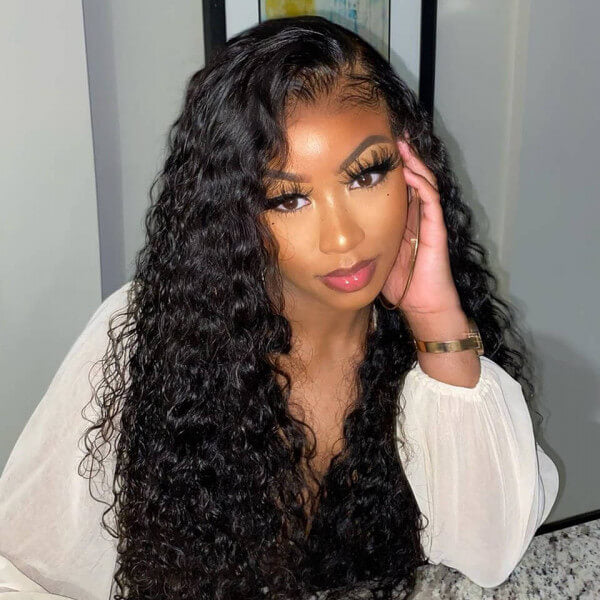
Curly hair is the most distinctive hair texture of the three I've mentioned. Many people know it for its clear spiral curls or ringlets.
The hair texture is what we'll generally categorize as type 3. It has a springy corkscrew texture with distinct S-shaped spirals. And just like any other type out there, it also comes in different shapes, ranging from loose waves to even more defined ringlets (3A to 3C).
This hair is known for its bounce, volume at the root, and natural body, which makes it a highly popular choice among women.
Check out its characteristics below.
Key Characteristics of Curly Hair

- Curl Pattern
Curly hair has S-shaped spirals that range from loose, big curls to defined ringlets. This means it can look really well-defined curls and also very relaxed.
- Texture
Curly hair shrinks moderately, retaining up to 70% of its length once it becomes dry. It is also very soft, smooth, and elastic.
- Volume
It usually has a natural volume and lift, especially around the root. This is because of the way the strands bend. However, curly hair is also very prone to breakage and damage.
- Hair Concerns
Curly hair can frizz, tangle, and become very dry. However, it is not as severe as the other hair textures we are comparing in this post.
- Care
Curly hair thrives with products that enhance the curls and don't weigh it down.
- Versatility
It is very versatile, and you can style it in multiple ways.
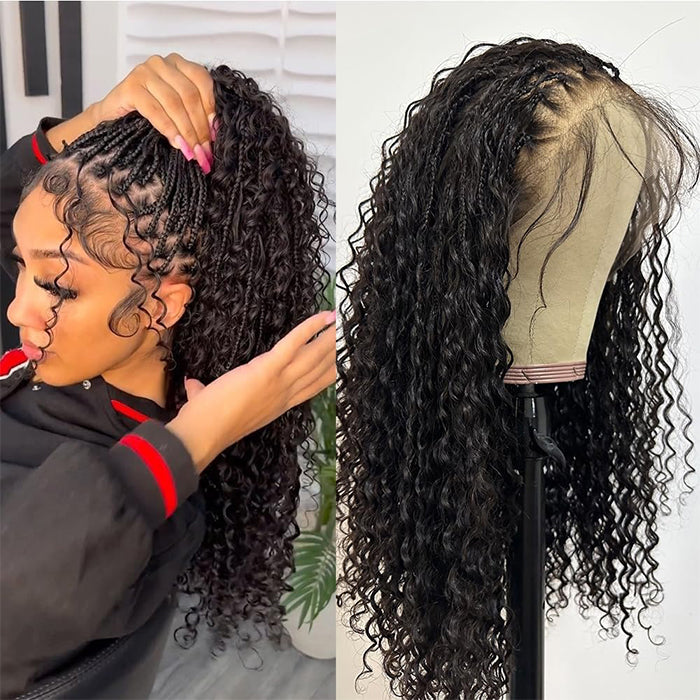
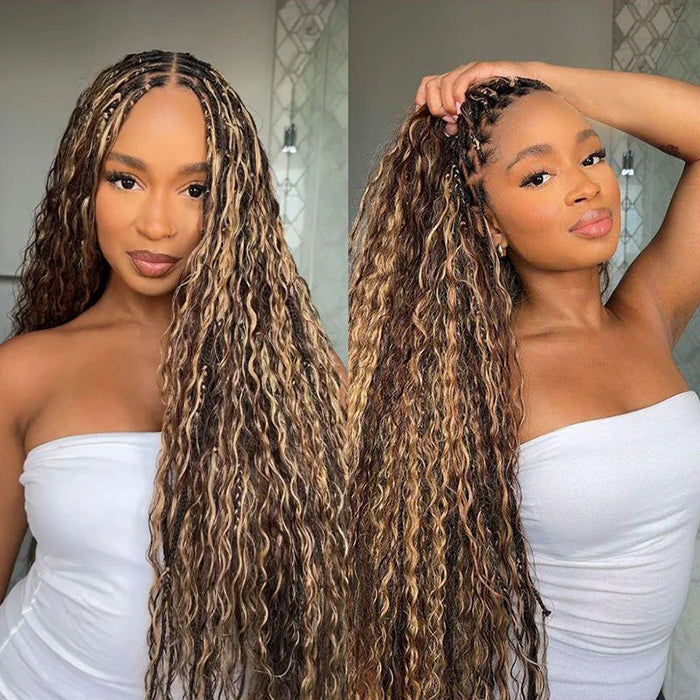
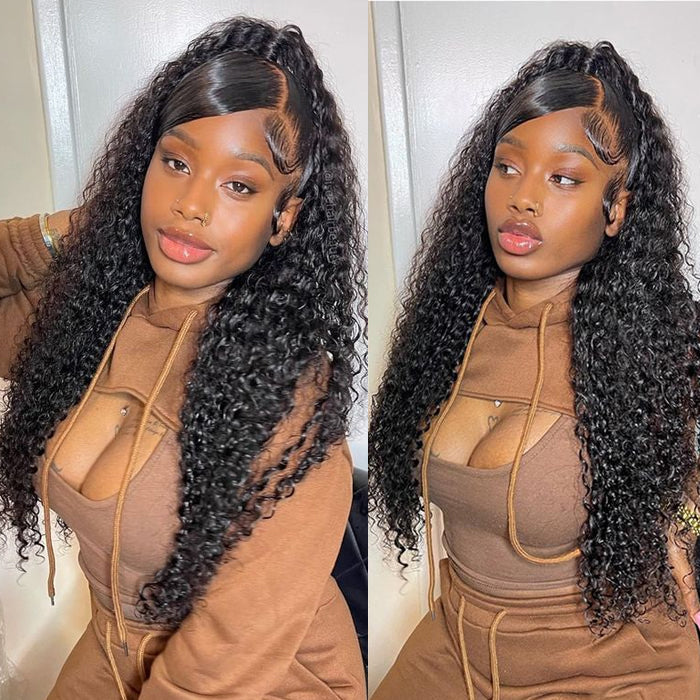
Hot Selling Curly Wigs In Hermosa Hair
1. 13x6 HD Lace Front Curly Wig

2. Glueless Blonde Highlight Curly Human Hair Wig

3. 4C Edges Realistic Hairline Glueless Curly Wig

What is Coily Hair?

While it is absolutely wrong to say a hair type is exclusive to a particular race, you’ve probably noticed the coily hair texture on your faves like Viola Davis and Lupita Nyong'o.
Coily hair typically falls in the 4 type hair category, and it's known for its tight curls or coils that form S or O-shaped springy ringlets. It is usually dense and coarse, with more texture than curly hair.
Because of the nature of its curls, it can shrink up to 50%, which is a lot more than curly hair. Meaning, it only retains about half of its length when it dries.
Most people interchange coily hair with kinky hair. However, they are not the same, although they fall in the same hair category.
To know its clear characteristics, check out the key features of coily hair below.
Key Characteristics of Coily Hair

- Curl Pattern
Coily hair has tight, circular coils that form the O shape. It is usually like small corkscrews, and it is well-defined.
- Texture
It feels wiry and sponge-like. It is also very dense but its definition is very different from curly hair.
- Volume
Coily hair has tight coils that make it very full and voluminous. But it can actually shrink up to 50% once it starts drying.
- Hair Concerns
Coily hair is quite fragile, making it prone to breakage. It is also prone to dryness and tangles.
- Care
This hair texture only looks good with moisture. So, instead of lightweight oils like I recommended for curly hair, go for water-based leave-in conditioners for extra moisture and hydration.
- Versatility
You can style coily hair in different ways. From afro styles to braids, ponytails, buns, and so much more.
Hot Selling Coily Wigs in Hermosa Hair
1. 3 in 1 Half Wig

2. Bob Wig

3. Glueless Bang Wig

What is Kinky Hair?

As I've said, Kinky hair falls under the 4C hair type. Also, it is very popular among Africans and Afro-Caribbeans.
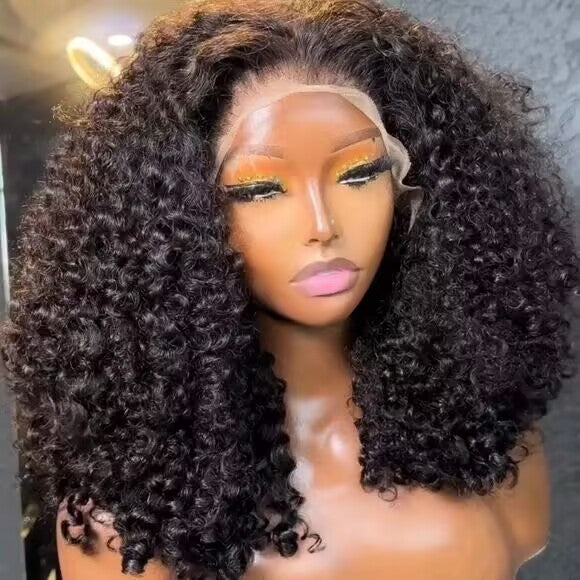
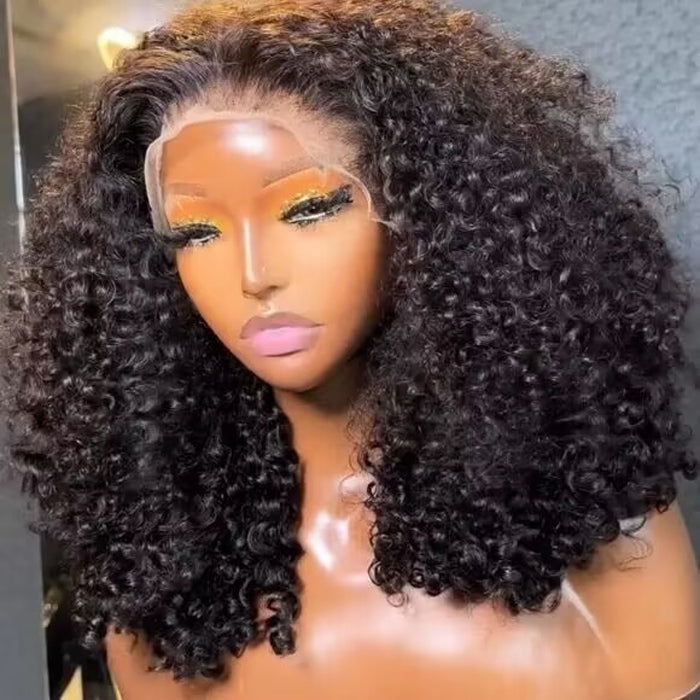
Kinky strands form tight spirals in Z-shaped patterns, and it is known for its zig-zag shape. It is very fluffy and voluminous. But it is less defined than the coily hair texture.
This hair texture actually shrinks up to 75% when it starts drying, which is more than the two previous hair textures I've talked about.
It can range from fine to coarse and requires a lot of moisture to look good. Check out the distinct features of kinky hair below.
Key Characteristics of Kinky Hair

- Curl Pattern
Kinky hair has a tight zig-zag pattern. Its coils are densely packed, which makes it full and extremely voluminous.
- Texture
Kinky hair generally ranges from soft to coarse. It has its kinks in it, feeling slightly stiff and also like springs.
- Volume
This hair texture is very voluminous and has high density. It is the most voluminous of the three hair textures. In fact, among all of the hair textures.
- Hair Concerns
Kinky hair is prone to dryness, tangling, and breakage. It will snap easily without proper care.
- Care
A nourishing shampoo and conditioner will be really good. Also, use butter and oils to minimize frizz.
- Versatility
You can style kinky hair in many ways. This includes braids, ponytails, and even twists.
Hot Selling Kinky Wigs in Hermosa Hair
Afro Kinky 4C Edges Wig

Curly vs Coily vs Kinky: What are the Differences Between Them?
You can easily identify and distinguish between these hair textures using characteristics like texture, shrinkage, volume, and even styling techniques. So, in this section, let's see their differences through these lenses to understand each hair texture.
1. Curl Pattern
One of the major differences between curly, coily, and kinky hair textures is the curl pattern. While curly hair has more S-shaped spirals, coily hair has O-shaped spirals, and kinky hair has a tight zigzag pattern. With these differences in their curl pattern, these three textures generally do not require the same hair care. Simply put, they should be handled uniquely, even though they may overlap on the hair chart.
2. Texture and Feel
Another major difference is in their texture and feel. Curly hair feels smooth and appears to lie flat on the head. However, coily hair is very textured and wiry. It is also more voluminous and doesn't lie flat on the head. Instead, it grows outward, giving it a round shape. And kinky hair, on the other hand, is denser and more voluminous than curly and coily hair textures.
3. Shrinkage
While these three hair types shrink, they actually do not shrink at the same percent. Curly hair can shrink up to 30% to 40%. However, coily hair shrinks about 50%, and kinky hair can shrink up to 80%.
4. Versatility and Style
All of them are popular for their versatility and style. You can create different looks and style them. From braids, high puff, to sew-ins and wigs, there are many options to choose from. So check out curly, coily, or kinky hair options at Hermosa Hair.
Any difference? They do not give the same result in style.
5. Care and Needs
Curly hair is generally the most predictable and behaves exactly how you want it to. However, kinky hair can be stubborn LoL. It is the most unpredictable texture amongst the three. So, it requires care and effort to look good and well-behaved.
How to Care for Curly, Coily, and Kinky Hair?

Here are a few tips on how to get curly, coily, and kinky hair textures manageable and defined.
Caring for Curly Hair
Curly hair tends to get dry and clustered together. However, it retains more moisture than the other two. So, I'll recommend that you focus on;
1. Deep Conditioning
A weekly deep conditioning can reduce breakage and add moisture to your strands. It can also keep your strands hydrated for a long time.
2. Styling with Creams and Gels
This can put the shine on the hair texture, making the curls defined even without weighing down the hair.
3. Using Lightweight Oils
Creams and butters will make your curls heavy. So, go for lightweight oils instead. They can prevent frizz, too.
Caring for Coily Hair
Coily hair is very fragile. It can also be really dry. So, here are what I'll advise:
1. Deep Condition
Similar to curly hair, coily hair needs deep conditioning for extra hydration. You can incorporate this into your wash routine.
2. Use Leave-in Conditioners
As I said earlier, coily hair can be dry. So, it needs extra moisture. Get your leave-in conditioners and oils and apply them to all of your strands.
Caring for Kinky Hair
This is the most fragile of the three hair textures. It shrinks so much and tangles if you leave it for a long period. Here's how you can care for your kinky hair:
1. Use Moisturizing Products
Any hair product you use needs to moisturize and drive away dryness. So, get hydrating shampoos and conditioners. Also, use hair creams that contain good ingredients.
2. Use Butters and Creams
Kinky hair needs the most moisture. So, use products like creams and butters to hydrate your hair and moisturize your strands.
Conclusion
By now, I’m sure you can differentiate between curly, coily, and kinky hair. However, while these hair textures are very different, they can all be stressed and affected by heat.
So, do not use heat styling tools on your strands too much and focus on nourishing them to keep them gorgeous and moisturized.
To get hair extensions or wigs in curly, coily, and kinky textures, visit Hermosa Hair today.











Leave a comment