



Knotless Braids vs Knot Braids, What's the Difference?

Are you unable to decide which braid style to rock between knotless braids and knotted braids? I’m here to help.
The knot braids have grown in popularity over the years. That's for sure. However, it’s impossible not to acknowledge that knotless braids haven’t slowed down either since gaining massive mainstream attention in the 2010s. Both styles are versatile and stylish, which is why they are often compared. Many people have questions like:
● Which one is better?
● Are there any similarities or differences?
● Which lasts longer? Which is more painful?
● Which is more expensive?
● And which is better for hair growth?
These questions are completely valid. That's why I'll be placing both braiding techniques side by side in this post. Let's learn about each of these braids and the major differences between them.
What are Knotless Braids?
Knotless braids are a tension-free braiding technique that creates a stylish look with no knots at the root of the hair. Also called knot-free braids, these braids lie flat on your head and are usually lightweight, pain-free (at least not compared to knot braids), and natural.

They are created by starting with a small size of hair extensions or just the natural hair, then later increasing gradually by adding a decent amount of hair extensions. This helps reduce the bulkiness that occurs at the root of the braids, also heaviness, and the feeling of being overweight on your scalp.
Related Read: How To Do Knotless Braids With Bulk Human Hair
@the.ebonyjay Learn how to do a medium large knotless braid with me and under three minutes. Make sure you watch this entire video and leave a like if this helped you in anyway. 👍🏽 #howtoknotlessbraid #knotless #stepbystep #braids #learnhowtobraid ♬ original sound - YouTube : The Ebony Jay
Knotless braids are always recommended for women with a sensitive scalp or those who want to avoid tension. The style also appears more natural than the traditional braids, which makes it very trendy and chic.
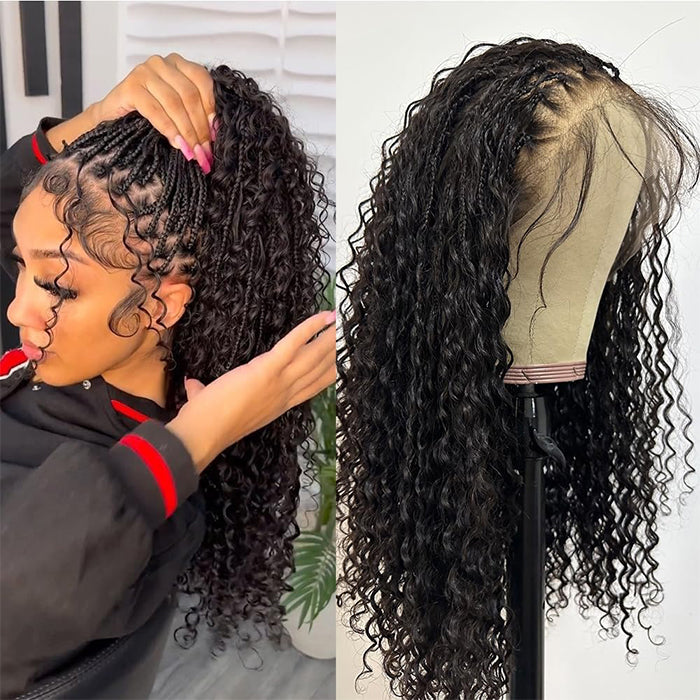
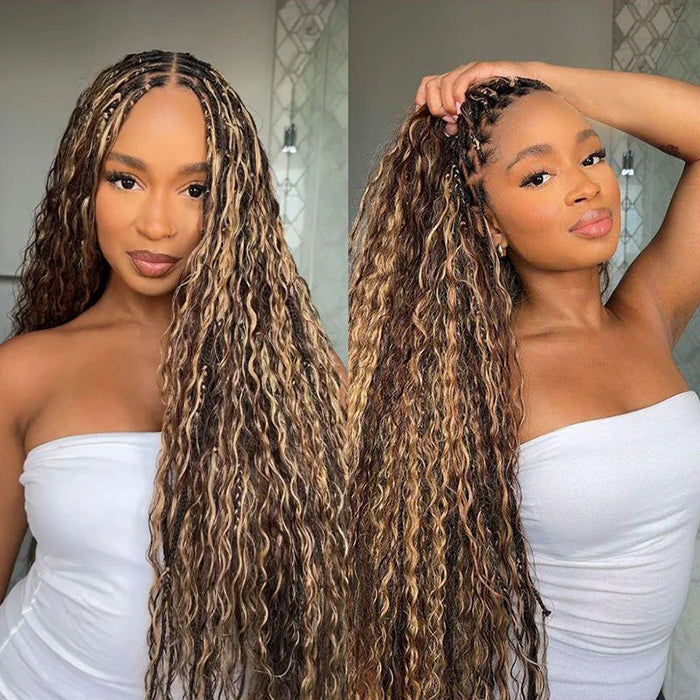
There are awesome knotless braided wigs that will sweep you off your feet. Visit Hermosa Hair to see some of these incredible options.
Pros and Cons of Knotless Braids
Like any other hairstyle, there are pros and cons. Here are some of the benefits and drawbacks of knotless braids.
Pros

- Easy Scalp Maintenance: Knotless braids make accessing the scalp easier for moisturizing and even cleaning to prevent buildup.
- Natural Appearance: The gradual addition of hair extensions gives the style a natural look. This makes them appealing and chic.
- Less Scalp Tension: With no small knots at the roots, the braids are not heavy on the scalp, preventing breakage and hair damage.
- Comfortable: Knotless braids are much more comfortable than traditional braids. Since the hair extensions aren’t added at once but gradually introduced, the hair isn’t bulky or tight, which could have caused discomfort.
- Easy to Style: These braids are easier to style than knot braids. Since they aren't bulky, they lie flat on the head and are smoother, which makes them easier to handle and style any way you want.
- Reduce Breakage: There is no tension on the scalp, and this minimizes the stress on hair follicles.
- Less Painful: Knotless braids are significantly less painful than knot braids. They do not weigh on the scalp or cause friction.
Cons
- Take Time to Install: Because of the feed-in technique, knotless braids take time to complete. Their installation process can last for several hours.
- Costs Higher: Knotless braids are often more expensive to install. This is due to the amount of time it takes to complete the style.
- Frizz: If they are not properly maintained, knotless braids tend to frizz more than traditional braids, especially at the root.
What are Knot Braids?
Knot braids are a protective technique with visible knots at the root of the braids. They secure your natural hair properly with hair extensions to give you a durable, voluminous style. Also known as traditional braids or box braids, these braids are usually bulky due to the way the hair extensions are added, and the bigger the braids, the bigger the knots will be.

Unlike knotless braids that feed in the hair extensions gradually, traditional braids start with a chunk of hair extensions. This makes them look polished, neat, full, and defined. Though they can be a little bit heavier and cause more tension, they last longer compared to knotless braids.
Knot braids remain a top hairstyle even with the rise of knotless braids. They make the perfect choice for those who want a neat, full, and long-lasting style. But similar to the knotless braids, they have their own ups and downs.
Pros and Cons of Knot Braids
Here are some of the pros and cons of knot braids, also called traditional braids.
Pros

- Durability: Knot braids are generally more durable than knotless braids. This is because the root prevents slippage and frizziness.
- Budget-friendly: With spending fewer hours at the salon than when styling knotless braids, traditional braids are cheaper. This makes them a better alternative to their counterparts when it comes to price.
- Long-lasting: Generally, knot braids last longer than knotless braids. Due to the tight knots at the root, they tend to hold the hair in place for long.
- Faster Installation Process: Knot braids are faster to install than knotless braids. While they also take several hours to finish, it is still quicker than the other type.
- Low-maintenance: These braids are low-maintenance with just a little touch-up required.
- Versatility: From length, to color, and volume, traditional braids offer various styling options.
Cons
- Tension and Discomfort: The knot at the root of the hair causes discomfort and tension, which can lead to breakage and even pain.
- Weighs Heavier: Knot braids are bulkier and heavier than knotless braids. This is due to the fact that the hair extensions are added all at once at the root.
- Hair Loss: With more weight placed on the scalp and how tight the braids can be, knot braids can lead to hair loss.
What are the Key Differences between Knotless Braids and Knot Braids?
After discussing the pros and cons of each braiding technique above, I’m sure you’ve already guessed some of the differences between knot braids and knotless braids. Here’s a closer look at the differences between the two braid styles.

1. Maintenance
While both braids are low-maintenance styles, each type requires a different level of attention to keep them neat and gorgeous for a long time. Because knotless braids tend to frizz faster than knotted braids, they need to be tamed regularly with gel and mousse. Keep in mind that it is not excessive. But this is a different case for knot braids, as they hold their shape more.
2. Cost
The difference in cost between the two braids is due to the varying installation techniques and time. Generally speaking, knotless braids take longer to install than knot braids, as they are more complex and require more skill to achieve. However, knot braids aren’t as intricate and time-consuming, leading to a lower fee charge.
3. Installation, Tension, and Weight
Another key difference between knotless braids and knotted braids lies in their installation, scalp tension, and weight. Although knotless braids have no visible knots at the base, traditional braids are installed with a visible knot at the bottom.
This knot causes tension to the scalp, leading to breakage and hair loss. You may feel tightness and heaviness immediately after installing knot braids. On the flip side, knotless braids are gentler on the scalp. They are also lightweight and are not likely to cause breakage.
4. Longetivity
Knot braids last longer than knotless braids. Due to the tight knot at the root, the natural hair is held more firmly, so they tend to use more weeks than knotless braids. But since knotless braids have less braiding hair at the root, they frizz faster than traditional braids.
Knotless braids can last between 6 weeks and 8 weeks, depending on care. Knot braids can last more than 8 weeks.
5. Style and Versatility
At first glance, you can tell that knotless braids appear more natural and flatter than knotted braids. The gradual addition of hair extensions makes them look seamless, unlike knot braids. They are also very easy to style. But knot braids are bolder, voluminous, and heavier. They are not as easy to style as knotless braids.
Are Knotless Braids or Knot Braids Right for You?
Choosing the best braid for yourself can be a bit confusing, especially when you think about what each of them brings to the table (I know, right?). However, there are a few factors you can put into consideration to help you choose better:

1. Consider the installation and maintenance costs
If your budget covers only the hair extensions or maintenance for a particular style, it’s better to think of the second option. While these styles are relatively cheap, the charges fee for installation can be a bit pricey.
2. Volume and Style
Do you want a full and voluminous look? Knot braids should be your number one choice. They offer a voluminous, thick, and full body style, unlike knotless braids, which are known for their natural appearance.
3. Sensitive Scalp
I wouldn’t advise those with a sensitive scalp to choose knot braids. This is because the knots at the base can put tension on the scalp and stress the hair. The best choice here would be knotless braids.
4. Your Interest
Everything comes down to your interests and likes. What style do you want? Which one do you find more appealing? If it's knotless braids, then good, and if it's knotted braids, go ahead and slay the style.
Conclusion
Whether you choose knotless braids or knotted braids, your hairstyle will look more natural and last longer with high-quality hair extensions.
Hermosa Hair offers incredible hair extensions for different braid styles. Explore the various options available on the website today for a stunning look.










Leave a comment